

Porter's entry plan, Artist Essentials, costs $35 a month, which is about $1.17 a day. For an independent tattoo artist, one extra $300 appointment covers more than eight months of that plan.
So the useful question is not "what does tattoo software cost?" It is "how many appointments does it need to recover, and where would they come from?" This article runs that math and walks through the five places that one appointment usually shows up.
Key takeaways
- Porter's plans range from $35 a month (about $1.17 a day) for independent artists to $250 a month (about $8.33 a day) for multi-artist studios, as of October 2026.
- Payback math is simple: divide the monthly plan price by what you actually keep from one appointment.
- The recovered appointment usually comes from one of five places: a prevented no-show, a filled cancellation, a request that converts, a new client found through reviews, or a returning client brought back by a campaign.
- Porter's features pay back only when they are turned on and used. Averages reported by Porter are not guarantees for any single shop.
What does Porter cost per day?
Porter costs between about $1.17 and $8.33 a day depending on the plan, based on a 30-day month and published pricing as of October 2026. Artist plans are built for individual tattoo artists. Studio Pro is built for shops with multiple artists and front desk staff.
- Artist Essentials: $35 a month, about $1.17 a day ($420 a year). For independent artists who need booking, deposits, reminders, POS, chat, and reports.
- Artist Pro: $65 a month, about $2.17 a day ($780 a year). For artists who also want digital waivers and email and SMS marketing.
- Studio Pro: $250 a month, about $8.33 a day ($3,000 a year). For shops that need unlimited artists and staff, commission splits, 1099s, and general shop booking requests.
- Studio Ultimate: contact sales. For multi-location shops.
A few details matter when you compare this with other tattoo shop software. Studio Pro does not charge per artist, so adding a new artist does not change the monthly bill. Card processing is billed separately from the subscription, and Porter lets shops pass card fees to clients. Card reader hardware is optional.
How many appointments does it take to pay for Porter?
To find your break-even point, divide the monthly plan price by the amount you keep from one appointment. The answer depends on how your business is structured, so it helps to run it three ways.
Independent artist. If you keep the full $300 from a session, one extra appointment covers Artist Essentials for more than eight months, or Artist Pro for more than four months.
Commission-based shop. If the shop keeps 50% of a $300 tattoo, the shop's share is $150. Studio Pro at $250 a month needs about 1.7 extra appointments a month to break even. Two extra appointments cover it with room left over.
Rent-based shop. When artists rent stations, the owner's income comes from rent, not from each tattoo. The appointment math still applies to the artists, and the owner's return shows up as less front desk time spent chasing deposits, waivers, and follow-ups.
The formula for any shop:
Monthly plan price ÷ what you keep from one average appointment = appointments needed per month to break even
Now for where those appointments come from.
1. A reminder text keeps a client from no-showing
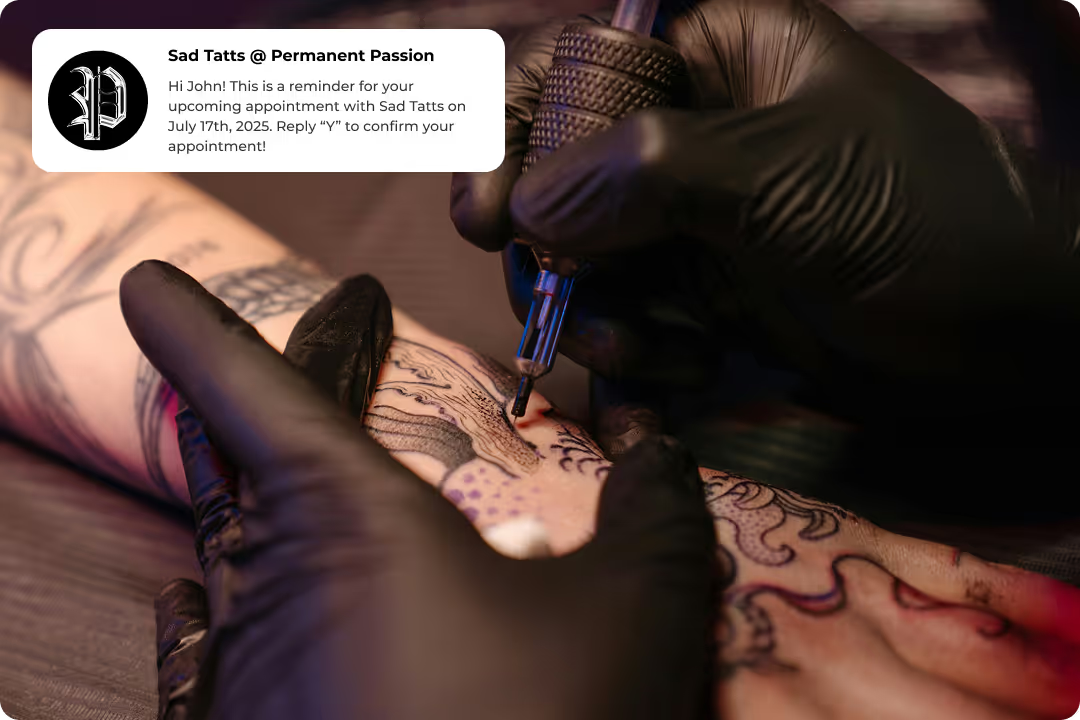
A no-show costs more than the ticket price, because the chair time is usually gone for good. Few clients can fill a two-hour custom session on a few hours' notice. Porter reduces that risk two ways: it collects a deposit before the appointment is confirmed, and it sends automated text reminders before the session.
Consider a hypothetical Saturday: a client booked for a two-hour, $300 piece forgets and never shows. The deposit softens the loss, but the rest of that revenue and the slot itself are gone. If a single reminder text prevents that one no-show, it has paid for a month of Artist Essentials several times over.
Porter reports that tattoo artists using Porter saw 68% fewer no-shows and late cancellations. That is a figure Porter publishes, not a promise for every shop, but the mechanism behind it is straightforward: a client who has paid a deposit and received a reminder is less likely to forget.
2. The waitlist fills a canceled slot
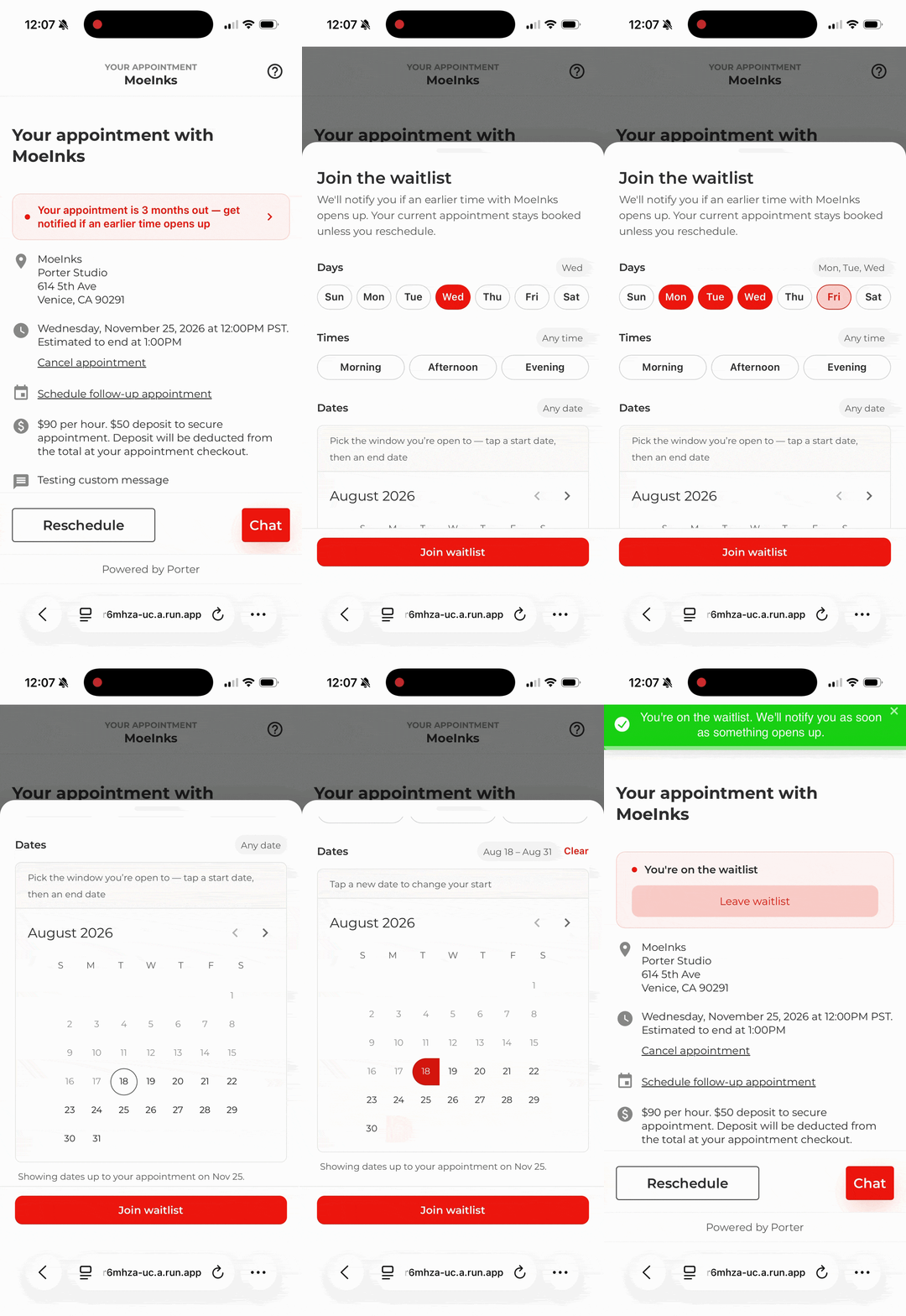
Porter's waitlist lets clients pick the times they are waiting for, then notifies them when a matching spot opens. When a client cancels a week out, Porter can message waitlisted clients automatically, or the shop can pick a specific client and send the opening to them directly.
Without a waitlist, a cancellation usually means posting an Instagram story, sending DMs to a few regulars, and hoping someone sees it in time. With one, the people who already said they want an earlier date are the first to hear about it.
Porter also prompts clients with appointments far in the future to ask for an earlier time. A client booked three months out can opt in to be notified if a sooner slot opens, which builds the waitlist without the artist asking anyone.
Filling one canceled $300 slot per month covers Studio Pro's share math for a commission shop by itself, and it covers an artist plan for many months.
3. More booking requests turn into booked appointments
Porter describes request-to-appointment conversion as its biggest revenue lever, and the reason is the gap between a tattoo inquiry and a booked session. A request that sits unanswered in DMs for two weeks often books somewhere else. A request that gets a price, a deposit link, and real available times the same day is much more likely to book.
Porter closes that gap at three points:
- Intake. Each artist's custom booking form collects placement, size, style, budget, and reference images with the request, so the artist can quote without a round of questions.
- Acceptance. The artist or front desk accepts the request with fixed, range, or hourly pricing and sets the deposit amount.
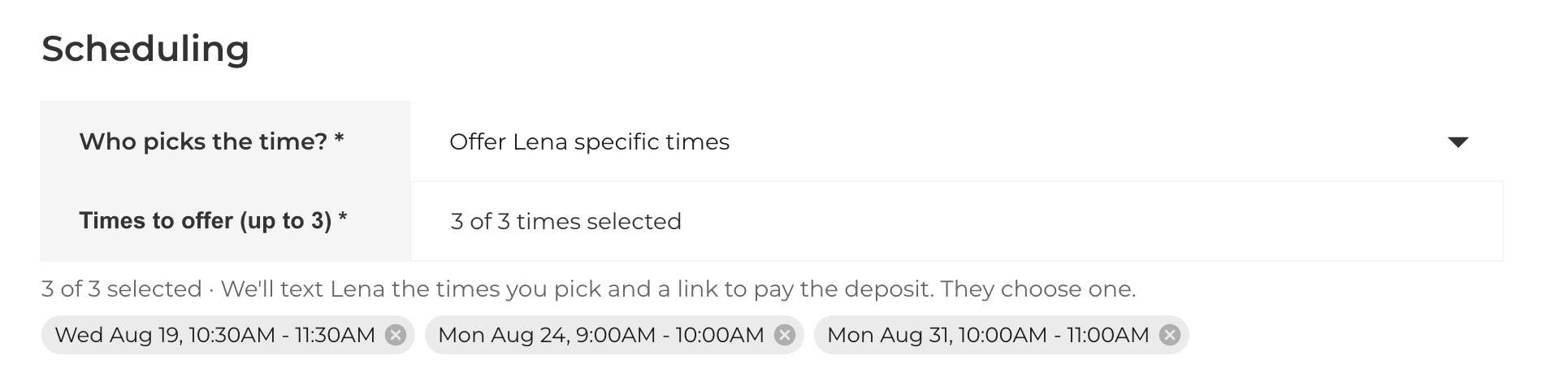
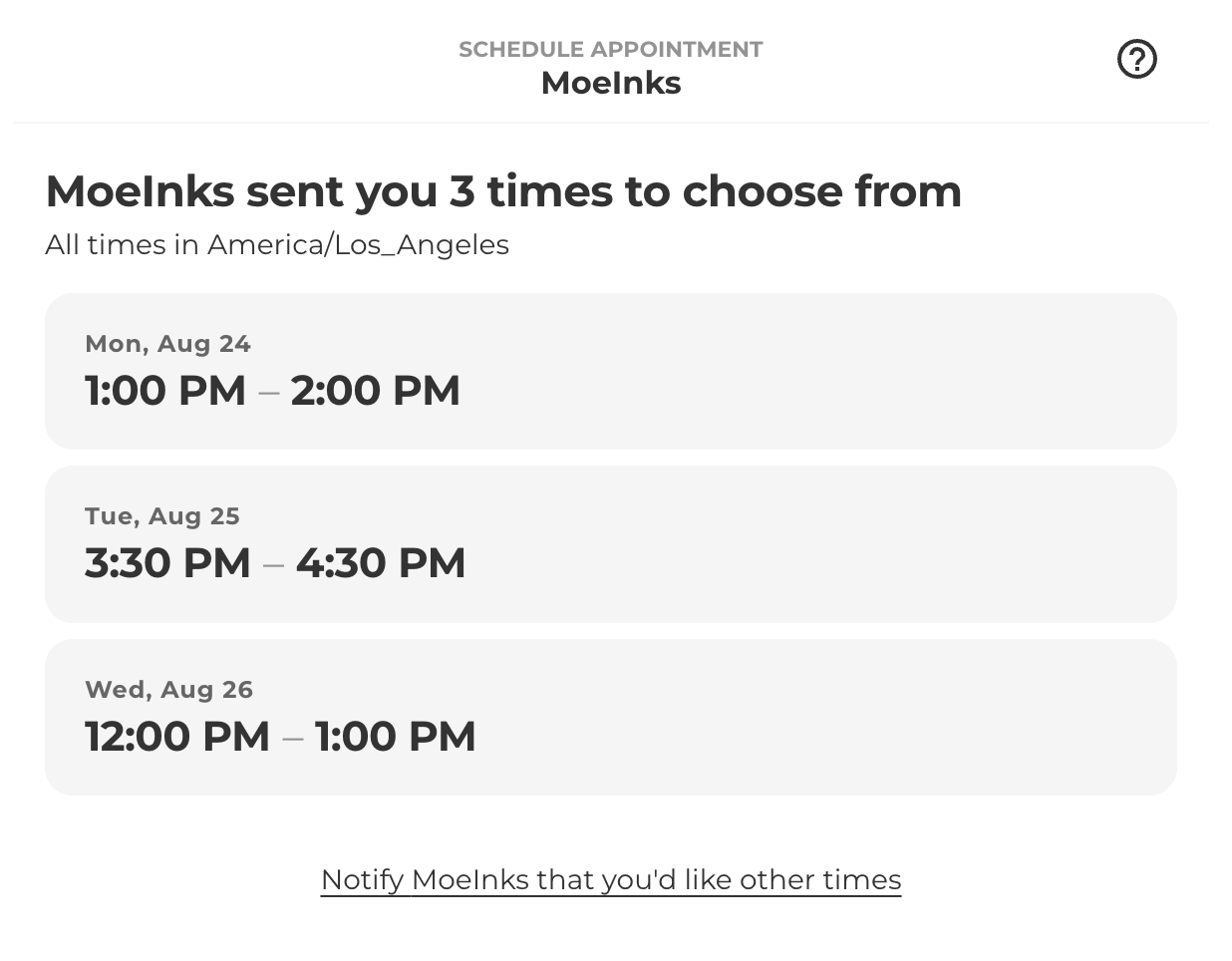
- Scheduling. The artist chooses how the client books: send a booking link showing availability for the session length, offer up to three specific times, or lock in a time already agreed on. The client books and pays the deposit from a text message, with no app to download.
For shop owners, the accepted-but-not-booked list works like a sales pipeline. The front desk can see every request that has a quote but no appointment, send a reminder, or open a chat to answer a question. Recovering even one of those requests a month is the appointment this article is about.
4. Review requests make the shop easier to find
After every appointment checkout, Porter automatically asks the client to leave a review, so artists and front desk staff do not have to remember to ask. Shops can connect Google and Yelp to Porter, track incoming reviews, and respond to them without leaving the platform.
This matters for discovery. Google says local results are based mainly on relevance, distance, and prominence, and that review count and review score factor into prominence. In plain terms, a shop that consistently collects good reviews gives Google more reason to show it to someone searching "tattoo shop near me."
Reviews are one signal among several, so no software can promise a specific ranking. The payback case is more modest: if steady review collection brings in one new client a month who found the shop on Google Maps, the system has covered itself.
.avif)
5. A campaign to past clients books an open day
Past clients are usually the easiest tattoos to book, because they already trust the shop and the artist. Porter's client profiles store visit history, spending, and past work, which makes it possible to message the right people instead of everyone.
For example, a shop planning a Friday the 13th flash day could build a list of clients who were tattooed by a specific artist, spent more than $300, and visited in the last year. Porter shows exactly who fits, and the shop can send an email or SMS campaign to that group now or schedule it for later.
Email and SMS marketing campaigns are included in Artist Pro and Studio Pro. Artist Pro includes 100 free marketing SMS messages and 250 free marketing emails per month, as of October 2026. One campaign that fills one flash slot pays for the plan that month.
.avif)
Smaller wins that add up
Some of Porter's returns come from making each appointment worth a little more rather than adding new ones. The intake form can ask for a client's budget, which helps artists quote confidently. At checkout, Porter supports tipping on the full tattoo cost, including deposits already paid, so tips are not calculated only on the remaining balance.
For shops, Studio Pro splits eligible card payments between the shop and each artist based on configured commission percentages. That removes the end-of-week spreadsheet and the disputes that come with manual payout math.
What Porter can't do for you
Porter cannot create demand that does not exist, and its features only pay back when they are set up and used. A shop that never turns on deposits, never connects Google reviews, and never builds a waitlist will not see those returns.
Porter publishes results from its customers: 15% more appointments, 17% more revenue per appointment, 44% more in tips, and 68% fewer no-shows and late cancellations. Those are reported averages. Your results depend on your demand, your prices, and how fully your shop uses the system.
How to check the math for your own shop
You do not need to take the payback case on faith. Three steps will tell you whether it holds for your business.
- Find your number. Work out what you keep from an average appointment after commission, then divide your plan price by it. That is your monthly break-even.
- Count last month's leaks. Tally no-shows, late cancellations that went unfilled, and quoted requests that never booked. Each one is a candidate for the appointment Porter needs to recover.
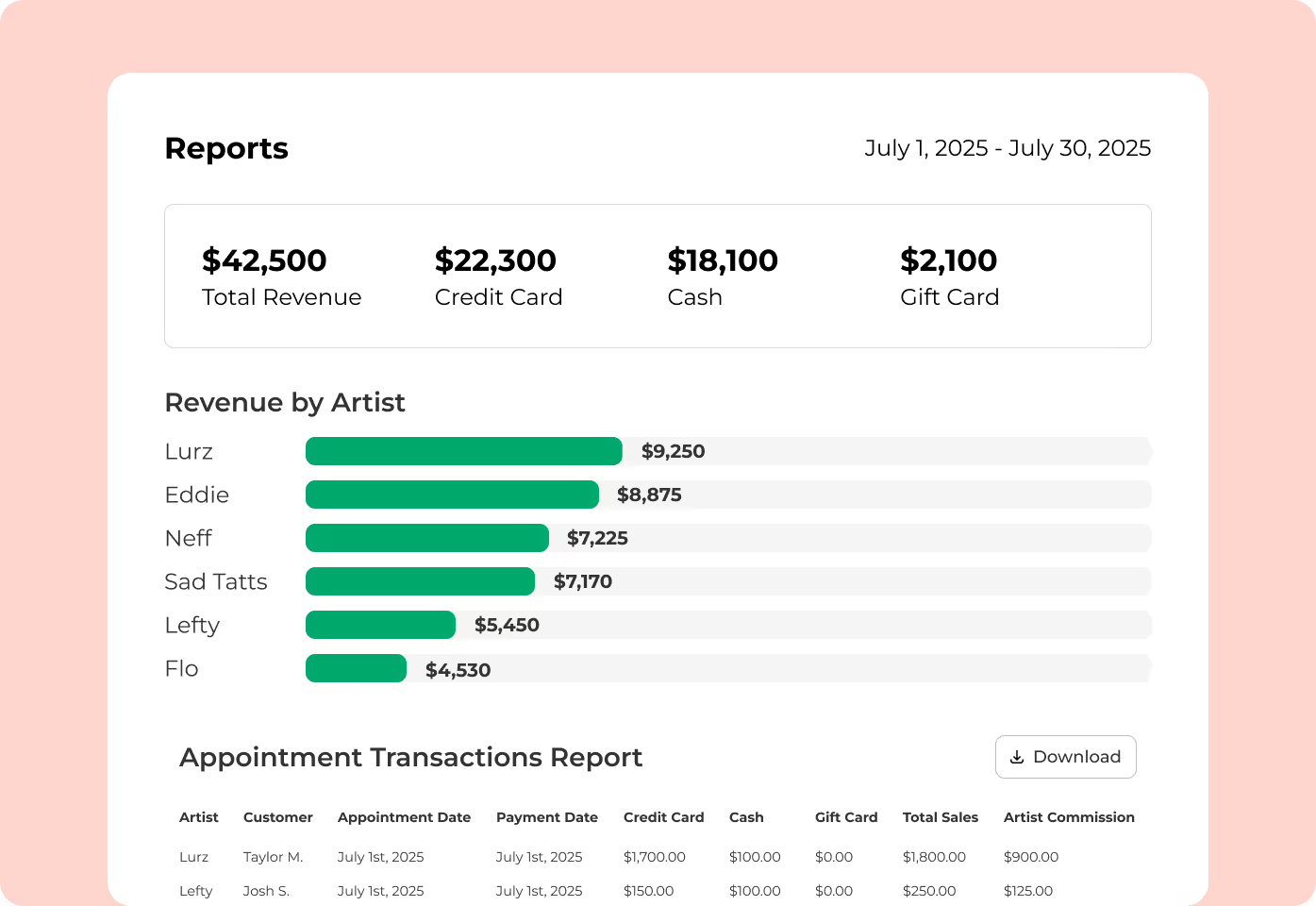
- Compare after 30 days. Porter's reports break down sales by artist and payment type, so you can see booked appointments and revenue side by side with the month before.
Artist Essentials and Artist Pro include a 30-day free trial, and Studio Pro includes a 14-day free trial. That is enough time to see whether one extra appointment shows up.
Compare your last month against Porter's break-even math. Start a free trial for tattoo artists or book a Studio Pro demo for your shop.
FAQs
How much does Porter cost?
As of October 2026, Porter's Artist Essentials plan costs $35 a month, Artist Pro costs $65 a month, and Studio Pro costs $250 a month with unlimited artists and staff. Studio Ultimate, for multi-location shops, is priced through sales. On a 30-day month, that is about $1.17, $2.17, and $8.33 a day.
Is Porter worth it for an independent tattoo artist?
For an independent artist keeping $300 per session, one extra booked appointment covers Porter's Artist Essentials plan for more than eight months. Whether it is worth it depends on how many no-shows, unfilled cancellations, and unbooked requests you have today, since those are where the extra appointment usually comes from.
Does Porter charge per artist?
Porter's Studio Pro plan includes unlimited artists and staff for $250 a month, as of October 2026. Adding an artist to the shop does not change the subscription price.
Are payment processing fees included in Porter's price?
Card processing is billed separately from Porter's subscription. Porter lets tattoo shops pass card fees to clients, and optional card reader hardware is available.
Does Porter offer a free trial?
Porter's Artist Essentials and Artist Pro plans include a 30-day free trial, and Studio Pro includes a 14-day free trial, as of October 2026.

.avif)
